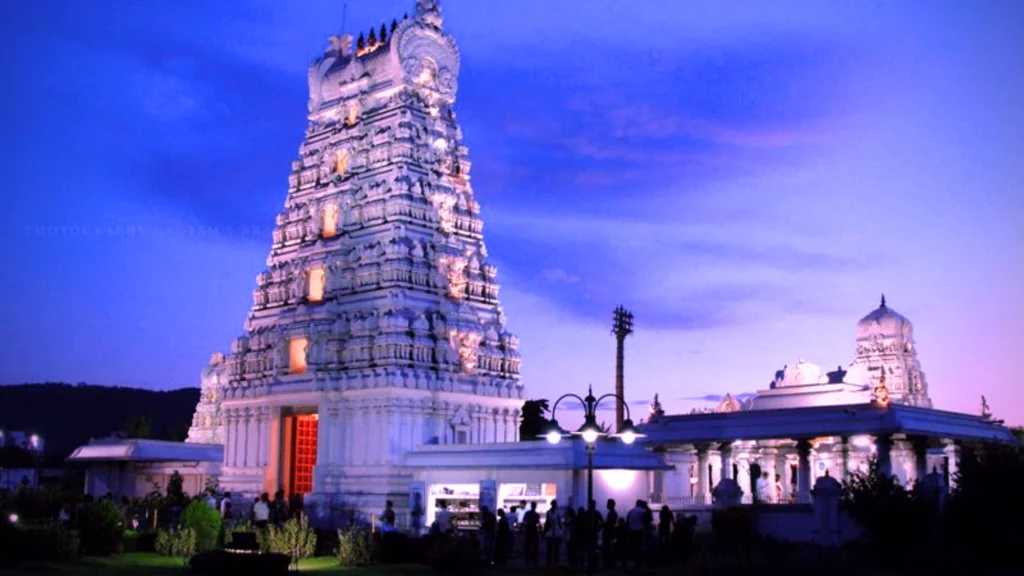
The Tirupati Balaji (Sri Venkateswara) Temple was not completely shut down or abandoned for 12 years, but regular worship and public darshan were severely disrupted between around 1800 and 1812. Over time, this period has popularly been described as the temple being “closed.” The reasons were mainly political, administrative, and economic, not religious.
Here is a clear, historically grounded explanation.
What Actually Happened at Tirupati Between 1800 and 1812?
During the early 19th century, South India was going through intense political change. The Tirupati temple came under stress due to power struggles, mismanagement, and colonial interference.
1. Political Turmoil After the Fall of Local Rulers
Before 1800, the Tirupati temple was supported by:
- Vijayanagara kings
- Nayakas
- Local chieftains and donors
After the decline of these dynasties:
- Temple lands and revenues were disrupted
- Patronage stopped or became uncertain
- Administration weakened
This directly affected daily rituals and temple operations.
2. Mismanagement by Mahants (Temple Heads)
At the time, the temple was managed by Mahants (hereditary religious administrators).
Problems that arose:
- Financial irregularities
- Misuse of temple funds
- Internal disputes among Mahants
- Decline in discipline and ritual regularity
Because of this:
- Daily worship was inconsistent
- Pilgrims were sometimes denied proper darshan
- Temple finances nearly collapsed
3. British East India Company Intervention
By around 1801, the region came under the influence of the British East India Company.
Key developments:
- The British took control of temple lands and revenue
- They interfered in temple administration
- Funds meant for rituals were diverted or delayed
Since the British were uncomfortable managing religious institutions directly:
- Temple activities slowed down
- Several rituals were reduced or suspended
- Public access became limited
4. Revenue Confiscation and Economic Breakdown
The temple owned vast agricultural lands that funded:
- Daily naivedyam (offerings)
- Festivals
- Salaries of priests
During this period:
- Land revenue was seized or mismanaged
- Income dropped sharply
- Priests and staff went unpaid
Without money:
- Full-scale worship could not continue
- Festivals were stopped
- Darshan became irregular
5. Why People Say the Temple Was “Closed for 12 Years.”
This phrase is symbolic, not literal.
What it really means:
- No proper daily rituals for long periods
- Very limited or restricted darshan
- Major festivals were not celebrated
- Temple functioning was severely disrupted
The sanctum was not sealed permanently, but the temple did not function normally for about 12 years.
6. Restoration in 1812
In 1812, the British handed over temple management to Hindu religious authorities, ending direct Company control.
Results:
- Regular worship resumed
- Temple finances were reorganized
- Rituals and festivals restarted
- Pilgrimage slowly returned to normal
This laid the foundation for the structured administration that later evolved into the Tirumala Tirupati Devasthanams (TTD) in the 20th century.
Conclusion
The Tirupati Balaji temple was not abandoned or destroyed, but between 1800 and 1812, it faced:
- Political instability
- Severe mismanagement
- British colonial interference
- Financial collapse
These factors led to irregular worship and restricted darshan, which is why history and popular belief describe it as being “closed for 12 years.”