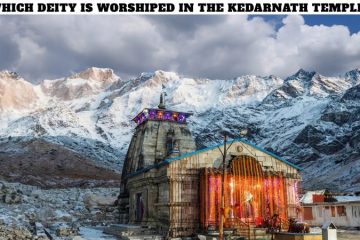
The Kedarnath Shiva Temple stands as one of the most sacred pilgrimage sites in India, nestled amidst the majestic Garhwal Himalayas. Located in the state of Uttarakhand, this revered shrine is dedicated to Lord Shiva, one of the principal deities of Hinduism. We recognise Kedarnath not only as a temple but as a symbol of faith, endurance, and spiritual awakening.
Situated near the origin of the Mandakini River, the temple is part of the revered Char Dham Yatra and holds immense religious significance among devotees worldwide. The breathtaking natural surroundings, combined with divine energy, make it one of the most sought-after pilgrimage destinations in India.
Historical Significance of Kedarnath Temple
The origins of the Kedarnath Temple are deeply rooted in ancient Hindu mythology. According to legend, the temple was originally built by the Pandavas after the great war of the Mahabharata to seek forgiveness from Lord Shiva for their sins.
It is believed that Lord Shiva transformed himself into a bull to evade them. When discovered, he dived into the ground, leaving behind his hump, which is worshipped at Kedarnath. The remaining parts are believed to have appeared at other locations, forming the famous Panch Kedar temples.
The current structure is attributed to Adi Shankaracharya, who revived the temple in the 8th century. His samadhi is also located near the temple, enhancing its spiritual aura.
Architectural Marvel of Kedarnath Temple
The Kedarnath Temple showcases classic North Indian Himalayan architecture, built using massive stone slabs. Despite extreme weather conditions and the devastating floods of 2013, the temple structure remained largely intact, symbolizing its divine strength and resilience.
Key architectural highlights include:
- Stone construction without mortar
- A conical Shiva Lingam inside the sanctum
- Intricately carved statues of deities
- A large Nandi bull statue is guarding the entrance
The temple’s durability and design continue to intrigue architects and devotees alike.
Spiritual Importance of Kedarnath Dham
Kedarnath is one of the 12 Jyotirlingas of Lord Shiva, making it an extremely powerful spiritual centre. Devotees believe that visiting this shrine washes away sins and leads to moksha (liberation).
The temple forms a vital part of the Char Dham Yatra, along with:
- Badrinath Temple
- Gangotri Temple
- Yamunotri Temple
Completing this journey is considered one of the most auspicious spiritual achievements in Hinduism.
Best Time to Visit Kedarnath Temple
We recommend planning your visit between May and October, as the temple remains closed during winter due to heavy snowfall.
Seasonal Breakdown:
- Summer (May–June): Ideal weather with clear skies
- Monsoon (July–August): Risky due to landslides
- Autumn (September–October): Best time for peaceful darshan
During winter, the idol of Lord Shiva is moved to Omkareshwar Temple, Ukhimath, for worship.
How to Reach Kedarnath Temple?
Reaching Kedarnath involves a combination of road travel and trekking.
By Air
The nearest airport is Jolly Grant Airport, about 238 km away.
By Rail
The closest railway station is Rishikesh Railway Station.
By Road
We can travel via well-connected roads up to Gaurikund, the base point for the trek.
Trekking Route
From Gaurikund, a 16 km trek leads to the temple. Options include:
- Pony rides
- Palanquins
- Helicopter services
Kedarnath Trek Experience
The Kedarnath trek is both challenging and spiritually uplifting. The route offers mesmerising views of snow-clad peaks, waterfalls, and lush valleys.
Key highlights include:
- The scenic beauty of the Mandakini River
- Fresh mountain air and peaceful surroundings
- Spiritual chants echoing through the mountains
Proper preparation, fitness, and acclimatisation are essential for a safe journey.
Darshan Timings and Rituals
The temple follows a structured daily schedule:
- Morning Darshan: 4:00 AM to 3:00 PM
- Evening Darshan: 5:00 PM to 9:00 PM
Important rituals include:
- Abhishek Puja
- Rudrabhishek
- Aarti ceremonies
Booking pujas in advance ensures a smooth spiritual experience.
Accommodation and Facilities
Various accommodation options are available near Kedarnath, ranging from budget lodges to government guest houses.
Nearby stay options include:
- GMVN guest houses
- Dharamshalas
- Camps and tents
Facilities such as medical aid, food stalls, and rest points are available along the trekking route.
Travel Tips for Kedarnath Yatra
We emphasise careful planning to ensure a comfortable journey:
- Carry warm clothing even in summer
- Maintain physical fitness for trekking
- Keep ID proof and registration documents
- Avoid travelling during heavy rainfall
- Stay hydrated and carry essential medicines
Environmental and Safety Guidelines
Kedarnath lies in a sensitive ecological zone, and we must ensure responsible travel:
- Avoid plastic usage
- Do not litter the trekking path
- Follow local guidelines
- Respect the sanctity of the temple
Conclusion
The Kedarnath Shiva Temple is not just a destination; it is a transformative spiritual journey. Surrounded by the grandeur of the Himalayas and infused with divine energy, it offers an experience that stays with devotees for a lifetime. We find that a visit to Kedarnath strengthens faith, rejuvenates the soul, and connects us deeply with the divine presence of Lord Shiva.
Frequently Asked Questions (FAQs)
1. Where is Kedarnath Temple located?
Kedarnath Temple is located in the Rudraprayag district of Uttarakhand, India.
2. Why is Kedarnath Temple famous?
It is one of the 12 Jyotirlingas of Lord Shiva and a key part of the Char Dham Yatra.
3. What is the best time to visit Kedarnath?
The best time is between May and June or September and October.
4. How long is the Kedarnath trek?
The trek is approximately 16 km from Gaurikund.
5. Is helicopter service available for Kedarnath?
Yes, helicopter services operate from nearby locations like Phata and Guptkashi.
6. Can elderly people visit Kedarnath?
Yes, with options like ponies, palanquins, and helicopter services.
7. What are the temple opening dates?
The temple opens in May and closes around November (dates vary annually).
8. Are there accommodation facilities near Kedarnath?
Yes, there are lodges, guest houses, and camps available.
9. Is registration required for the Kedarnath Yatra?
Yes, mandatory registration is required for all pilgrims.
10. What should we carry for the Kedarnath trip?
Warm clothes, medicines, trekking gear, ID proof, and essentials.