What Makes Kedarnath Mahadev One of the Holiest Shrines in India?
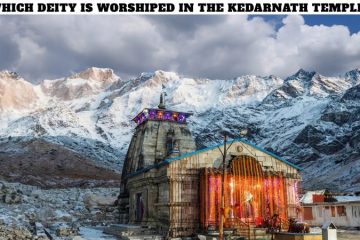
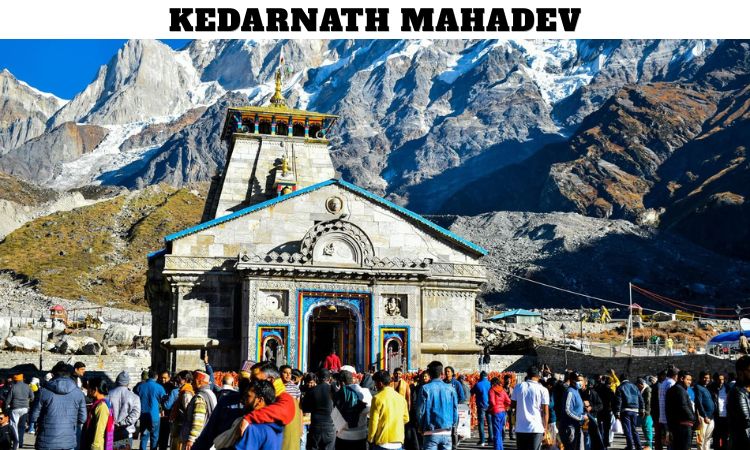
Kedarnath Mahadev stands as one of the most revered and spiritually powerful temples dedicated to Lord Shiva. Located amidst the majestic Garhwal Himalayas in Uttarakhand, we find Kedarnath at an altitude of approximately 3,583 meters above sea level. This sacred temple is not only a part of the Char Dham Yatra but also one of the twelve Jyotirlingas, making it immensely significant for devotees.
We witness thousands of pilgrims undertaking this divine journey every year, braving difficult terrains to seek blessings from Mahadev. The temple’s serene surroundings, snow-capped peaks, and the divine aura create an unmatched spiritual experience.
Why Is Kedarnath Mahadev Associated with the Pandavas?
According to ancient Hindu scriptures, we learn that the Pandavas from the Mahabharata sought forgiveness from Lord Shiva after the Kurukshetra war. Lord Shiva, unwilling to forgive them easily, disguised himself as a bull (Nandi) and hid in Kedarnath.
When the Pandavas discovered him, the bull dived into the ground, leaving behind its hump, which is worshipped at Kedarnath Temple today. This legend makes Kedarnath not just a pilgrimage site but also a place of divine redemption and penance.
How Was Kedarnath Temple Built and Who Constructed It?
The temple’s origins date back thousands of years. We believe that the original temple was built by the Pandavas, while the present structure was revived and reconstructed by Adi Shankaracharya in the 8th century.
Constructed using massive stone slabs, the temple showcases remarkable architectural strength. Despite facing extreme weather conditions and natural calamities, including the devastating 2013 floods, the temple stood resilient, symbolizing the eternal power of Lord Shiva.
What Is the Spiritual Significance of Kedarnath Mahadev?
Kedarnath Mahadev represents the cosmic power of destruction and regeneration, a key aspect of Lord Shiva. Devotees believe that visiting this sacred shrine helps cleanse sins and leads to moksha (liberation).
We experience a deep spiritual transformation when we chant “Har Har Mahadev” in the presence of the divine Jyotirlinga. The temple is not just a place of worship but a gateway to inner peace and enlightenment.
What Is the Best Time to Visit Kedarnath Temple?
The temple remains open for only six months a year, typically from April/May to October/November. We recommend visiting during:
- May to June – Pleasant weather and accessible routes
- September to October – Fewer crowds and clear views
The monsoon season (July-August) should be avoided due to landslides and unpredictable weather conditions.
How Can We Reach Kedarnath Mahadev Easily?
Reaching Kedarnath requires both determination and devotion. The journey involves multiple modes of transportation:
By Air
The nearest airport is Jolly Grant Airport in Dehradun, approximately 239 km away.
By Rail
The closest railway station is Rishikesh Railway Station.
By Road
We can travel via road to Gaurikund, which is the base point for the trek.
Trek to Kedarnath
From Gaurikund, we undertake a 16-18 km trek to reach the temple. Options like pony rides, palki, and helicopter services are also available for convenience.
What Are the Key Rituals and पूजा at Kedarnath Temple?
The daily rituals at Kedarnath Mahadev are deeply rooted in tradition and devotion:
- Morning Abhishek – Devotees can witness the sacred bathing of the Shiva Lingam
- Rudrabhishek Puja – Performed for prosperity and peace
- Evening Aarti – A mesmerizing spiritual experience
We find the temple priests, known as Rawals, conducting rituals following ancient Vedic traditions.
What Makes Kedarnath Temple Architecturally Unique?
The architecture of Kedarnath Temple is both simple and powerful. Built using large grey stones, the structure reflects resilience and divine craftsmanship.
Key features include:
- A conical Shiva Lingam inside the sanctum
- A mandapa (hall) for devotees
- Intricate carvings and ancient inscriptions
The temple’s ability to withstand natural disasters showcases the brilliance of ancient engineering.
How Did Kedarnath Survive the 2013 Flood Disaster?
The 2013 floods caused massive destruction in the region, yet the temple remained largely untouched. A massive rock, now known as “Bhim Shila”, diverted the flow of water away from the temple.
We see this as a divine miracle, strengthening the faith of millions in Kedarnath Mahadev.
What Should We Keep in Mind Before Visiting Kedarnath?
To ensure a safe and comfortable journey, we must prepare adequately:
- Carry warm clothing due to extreme cold
- Maintain physical fitness for the trek
- Book accommodations in advance
- Follow government guidelines and weather updates
Planning properly enhances the spiritual experience.
Why Is Kedarnath Part of the Char Dham Yatra?
Kedarnath holds a special place in the Char Dham Yatra, which includes:
- Yamunotri
- Gangotri
- Kedarnath
- Badrinath
We consider Kedarnath the most spiritually intense destination among them, dedicated to Lord Shiva, representing ultimate power and transformation.
What Are the Nearby Attractions Around Kedarnath?
While visiting Kedarnath, we can explore several nearby sacred sites:
- Bhairavnath Temple – Protector deity of Kedarnath
- Vasuki Tal – A high-altitude glacial lake
- Gandhi Sarovar – A serene water body surrounded by mountains
These locations enhance the overall spiritual journey.
Frequently Asked Questions (FAQs)
1. What is Kedarnath famous for?
Kedarnath is famous for being one of the 12 Jyotirlingas and a key pilgrimage site dedicated to Lord Shiva.
2. How difficult is the Kedarnath trek?
The trek is moderately difficult, covering around 16-18 km, but manageable with preparation.
3. Can we visit Kedarnath by helicopter?
Yes, helicopter services are available from locations like Phata, Guptkashi, and Sirsi.
4. Is Kedarnath safe for travel?
Yes, with proper planning and adherence to safety guidelines, the journey is safe.
5. What is the opening date of Kedarnath Temple?
The temple usually opens in April or May, depending on auspicious dates.
6. What is the significance of Bhim Shila?
It is believed to have protected the temple during the 2013 floods.
7. Are mobile networks available in Kedarnath?
Limited connectivity is available, mainly from BSNL and Jio.
8. What should we pack for Kedarnath Yatra?
Warm clothes, medicines, trekking shoes, and essential supplies.
9. How many days are required for Kedarnath Yatra?
Typically, 3-5 days are sufficient for a complete trip.
10. Is registration required for Kedarnath Yatra?
Yes, government registration is mandatory for all pilgrims.