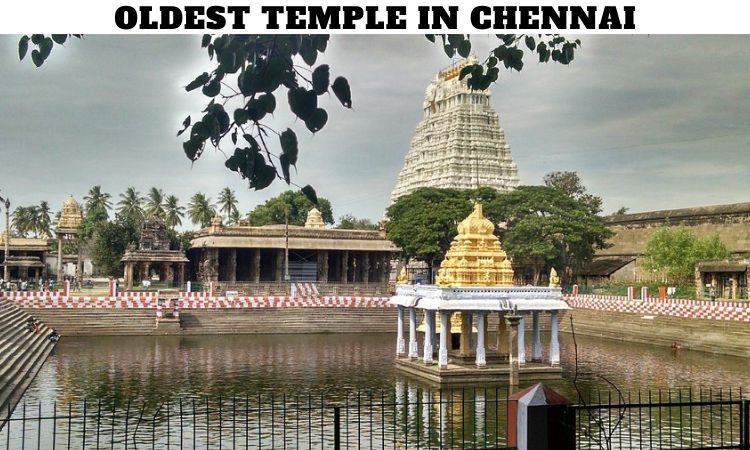
When we explore the cultural and spiritual heritage of Chennai, one of the most fascinating aspects is its ancient temples that have stood the test of time. Among these sacred landmarks, the Marundeeswarar Temple in Tiruvanmiyur is widely regarded as the oldest temple in Chennai, with origins believed to date back over 1,500 years. This temple is not just a place of worship but a living testimony to Tamil Nadu’s rich religious traditions, architectural brilliance, and spiritual devotion.
We find that visiting this historic temple offers a unique blend of divine experience, historical exploration, and architectural admiration. Devotees and travelers alike are drawn to its serene atmosphere, mythological significance, and healing powers associated with Lord Shiva.
Historical Significance of the Oldest Temple in Chennai
The Marundeeswarar Temple is believed to have been originally built during the Pallava dynasty, later expanded by the Chola rulers, and renovated by the Vijayanagara kings. This layered history makes it one of the most important heritage temples in Chennai.
According to ancient legends, Lord Shiva appeared here as Marundeeswarar, meaning “God of Medicines,” to impart knowledge of healing to sages and devotees. Historical inscriptions within the temple complex reveal donations, land grants, and architectural additions that span several centuries.
We observe that this temple has played a significant role in shaping the religious identity of coastal Tamil Nadu, serving as a major pilgrimage destination for generations.
Architectural Marvel of Marundeeswarar Temple
One of the most captivating aspects of the oldest temple in Chennai is its classic Dravidian architectural style. The temple features:
- Towering Gopurams (Temple Gateways) decorated with intricate carvings
- Spacious Mandapams (Halls) used for rituals and gatherings
- Stone pillars adorned with mythological sculptures
- Sacred temple tanks symbolizing purification
The eastern gopuram, with its colorful deities and symbolic motifs, stands as a visual masterpiece that reflects the artistic excellence of ancient craftsmen.
We also notice that the temple layout follows traditional Vastu principles, designed to enhance spiritual energy and create a harmonious environment for worshippers.
Spiritual Importance and Healing Beliefs
The Marundeeswarar Temple is revered as a powerful healing shrine. Devotees believe that praying here can cure ailments and bring physical and mental well-being.
Special rituals include:
- Offering medicinal herbs to the deity
- Performing abhishekam for health blessings
- Lighting lamps for family prosperity
Many pilgrims visit this temple seeking relief from chronic illnesses and emotional stress. The temple’s association with Ayurvedic knowledge and divine healing powers adds to its spiritual significance.
Major Festivals Celebrated at the Temple
The oldest temple in Chennai becomes especially vibrant during its grand festivals, which attract thousands of devotees.
Important Celebrations Include:
- Mahashivaratri: All-night prayers and special abhishekams
- Pradosham: Bi-monthly Shiva worship rituals
- Navaratri: Celebrations dedicated to Goddess Tripurasundari
- Brahmotsavam: Annual temple chariot procession
During these events, we witness the temple come alive with devotional music, traditional dance, colorful decorations, and community participation.
Temple Timings and Darshan Details
Visitors planning to explore the oldest temple in Chennai should note the general timings:
- Morning: 5:30 AM – 12:30 PM
- Evening: 4:00 PM – 9:00 PM
Special poojas are conducted at various intervals throughout the day. We recommend arriving early for a peaceful darshan experience, especially on weekends and festival days.
How to Reach the Oldest Temple in Chennai?
The Marundeeswarar Temple is located in Tiruvanmiyur, a well-connected neighborhood in Chennai.
Travel Options Include:
- Metro Rail: Nearby stations provide convenient access
- City Buses: Frequent routes from central Chennai
- Auto and Cab Services: Easily available
- Railway Connectivity: Tiruvanmiyur MRTS station is close by
Its proximity to the East Coast Road also makes it a popular stop for travelers heading towards coastal destinations.
Nearby Attractions to Explore
A visit to the oldest temple in Chennai can be combined with exploring nearby places such as:
- Tiruvanmiyur Beach for scenic relaxation
- Kalakshetra Foundation for cultural performances
- Ashtalakshmi Temple for additional spiritual exploration
- Besant Nagar cafés and shopping streets
We find that combining spiritual visits with cultural sightseeing makes for a well-rounded Chennai travel experience.
Best Time to Visit the Temple
The ideal time to visit is between November and February, when Chennai experiences relatively pleasant weather. Early mornings and weekdays are perfect for those seeking quiet moments of devotion and meditation.
Festival seasons offer a lively atmosphere, while regular days provide tranquility and deeper spiritual engagement.
Why Marundeeswarar Temple is a Must-Visit?
We consider this temple a must-visit because it represents:
- Ancient heritage and historical continuity
- Divine healing traditions
- Architectural excellence
- Cultural vibrancy of Tamil Nadu
Whether one is a devotee, historian, photographer, or traveler, the oldest temple in Chennai offers a meaningful and memorable experience.
Frequently Asked Questions (FAQs)
1. Which is the oldest temple in Chennai?
The Marundeeswarar Temple in Tiruvanmiyur is widely considered the oldest temple in Chennai.
2. What is the temple dedicated to?
It is dedicated to Lord Shiva, worshipped as Marundeeswarar.
3. Why is the temple famous?
The temple is known for its healing powers and ancient historical significance.
4. When was the temple built?
Its origins are believed to date back over 1,500 years.
5. What are the temple timings?
Generally, it is open from early morning till noon and again in the evening till night.
6. Is there any entry fee?
No, entry to the temple is free for devotees.
7. Which festivals are celebrated here?
Mahashivaratri, Brahmotsavam, and Navaratri are major celebrations.
8. How can tourists reach the temple?
It is accessible by metro, bus, train, and taxis.
9. Are photography and mobile phones allowed?
Photography rules vary inside the temple premises.
10. What is the best time to visit?
Winter months and early mornings are ideal.