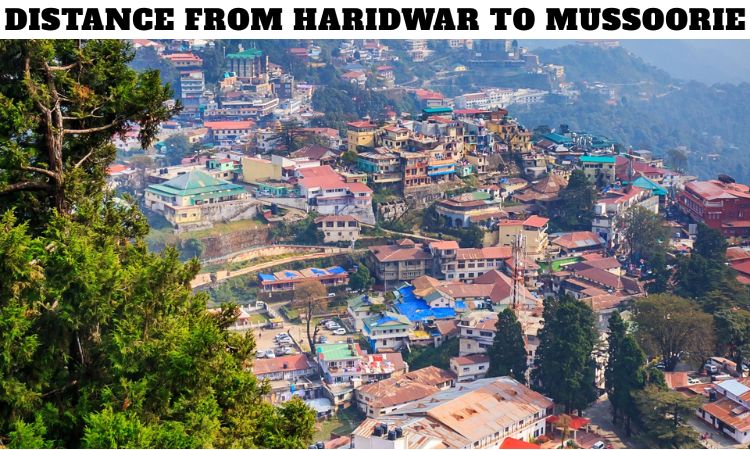
Nestled in the lap of Uttarakhand, Haridwar is one of the most revered pilgrimage destinations in India. Known as the gateway to the Char Dham Yatra, it attracts millions of devotees and travelers every year. Just a few hours away lies the “Queen of Hills,” Mussoorie, a charming hill station blessed with breathtaking views of the Himalayas, lush greenery, waterfalls, and colonial architecture.
For travelers planning their journey, understanding the distance from Haridwar to Mussoorie and the various travel options available is crucial. Whether you are visiting for religious significance in Haridwar or leisure in Mussoorie, this journey offers a blend of spirituality and natural beauty.
What is the Distance from Haridwar to Mussoorie?
The distance from Haridwar to Mussoorie is approximately 85 to 90 kilometers by road, depending on the chosen route. The travel time generally takes 3 to 4 hours by car or bus. The journey is scenic, with winding roads, lush valleys, and the enchanting backdrop of the Shivalik and Himalayan ranges.
If you are traveling by train or air, there is no direct connectivity to Mussoorie. However, Haridwar provides excellent connectivity to Dehradun, which is the nearest major city to Mussoorie.
Best Routes to Cover the Distance from Haridwar to Mussoorie
When planning your trip, knowing the best routes between Haridwar and Mussoorie is essential:
1. Haridwar – Rishikesh – Dehradun – Mussoorie Route
- Distance: 90 km
- Travel Time: 3.5 – 4 hours
- Route: Haridwar → Rishikesh → Dehradun → Mussoorie
- Highlights: This is the most preferred and scenic route. You can stop at Rishikesh for adventure sports or a quick temple visit before heading towards Dehradun and then Mussoorie.
2. Haridwar – Dehradun – Mussoorie Route
- Distance: 85 km
- Travel Time: 3 – 3.5 hours
- Route: Haridwar → Dehradun → Mussoorie
- Highlights: This is the shortest route, ideal for those who want to reach Mussoorie quickly without detours.
Both routes offer mesmerizing views, but if time permits, the Rishikesh detour adds cultural and spiritual charm to the journey.
Travel Options from Haridwar to Mussoorie
The distance from Haridwar to Mussoorie can be covered using multiple travel options:
1. By Road (Cab or Car)
Traveling by car or cab is the most convenient option. You can hire a private taxi from Haridwar to Mussoorie, which takes about 3–4 hours. This allows flexibility for halts at Rishikesh, Rajaji National Park, or roadside eateries.
- Cab Fare: ₹2,500 – ₹4,500 (depending on the vehicle type)
- Benefits: Comfortable, flexible stops, scenic views
2. By Bus
Buses are budget-friendly options for travelers. Though there are no direct buses from Haridwar to Mussoorie, you can take a bus from Haridwar to Dehradun and then continue to Mussoorie by another bus or shared taxi.
- Fare: ₹300 – ₹600 approximately
- Total Travel Time: 4 – 5 hours
- Suitable for: Budget travelers and backpackers
3. By Train
There is no direct train from Haridwar to Mussoorie. However, you can take a train from Haridwar to Dehradun (36 km away from Mussoorie) and then hire a cab or take a bus to Mussoorie.
- Haridwar to Dehradun Train Time: 1.5 – 2.5 hours
- Dehradun to Mussoorie Road Time: 1 – 1.5 hours
- Ideal for: Travelers who want to enjoy a mix of train and hill road journey
4. By Air
The nearest airport to Mussoorie is Jolly Grant Airport in Dehradun, located about 60 km away from Mussoorie. Since Haridwar is just 35 km from Jolly Grant Airport, travelers can choose to fly from other Indian cities to Dehradun and then proceed to Mussoorie.
- Haridwar to Dehradun Airport: 1 – 1.5 hours by road
- Dehradun Airport to Mussoorie: 1.5 – 2 hours
- Best for: Travelers coming from long distances or major metro cities
Scenic Attractions on the Way from Haridwar to Mussoorie
While covering the distance from Haridwar to Mussoorie, travelers get the opportunity to witness numerous attractions:
- Rishikesh – Famous for its yoga ashrams, adventure sports, and the iconic Laxman Jhula.
- Rajaji National Park – Perfect for nature lovers and wildlife enthusiasts.
- Dehradun – Known for Robber’s Cave, Forest Research Institute, and Sahastradhara.
- Kempty Falls (Near Mussoorie) – A must-visit waterfall before reaching the hill station.
These stopovers not only make the journey refreshing but also add cultural, spiritual, and natural richness to your trip.
Best Time to Travel from Haridwar to Mussoorie
The best time to cover the distance from Haridwar to Mussoorie is during:
- Summer (March to June): Pleasant weather, ideal for sightseeing.
- Monsoon (July to September): Lush greenery, but beware of landslides.
- Winter (October to February): Snowfall and chilly weather attract honeymooners and winter lovers.
For a safe and enjoyable journey, avoid peak monsoon months when landslides are frequent.
Tips for Traveling from Haridwar to Mussoorie
- Start Early: Roads leading to Mussoorie can get busy during tourist seasons.
- Carry Warm Clothes: Even in summer, evenings can be chilly in Mussoorie.
- Book Tickets in Advance: If opting for trains or buses, book early to avoid last-minute hassles.
- Hire Experienced Drivers: Mountain roads can be tricky, so hiring a skilled driver is advisable.
- Plan Stopovers: Explore Rishikesh and Dehradun to make your journey more memorable.
Conclusion
The distance from Haridwar to Mussoorie is not just about kilometers; it is about experiencing a seamless blend of spirituality and natural beauty. Whether you choose a road trip, bus journey, or train plus taxi combination, the route ensures stunning landscapes and memorable stopovers. Perfect for families, solo travelers, honeymooners, and spiritual seekers, this journey offers something for everyone.
Frequently Asked Questions (FAQs)
1. What is the exact distance from Haridwar to Mussoorie?
Ans. The distance from Haridwar to Mussoorie is approximately 85 to 90 kilometers by road, depending on the route taken. The shortest route via Dehradun is around 85 km.
2. How long does it take to travel from Haridwar to Mussoorie?
Ans. It generally takes 3 to 4 hours by road to reach Mussoorie from Haridwar. The travel time may vary depending on traffic, weather, and the chosen route.
3. Is there a direct train from Haridwar to Mussoorie?
Ans. No, there is no direct train from Haridwar to Mussoorie. Travelers can take a train from Haridwar to Dehradun, and from there, continue by taxi, cab, or bus to Mussoorie.
4. Are there direct buses from Haridwar to Mussoorie?
Ans. There are no direct buses from Haridwar to Mussoorie. Instead, you can take a bus from Haridwar to Dehradun and then switch to a local bus, cab, or shared taxi to reach Mussoorie.
5. What is the best way to travel from Haridwar to Mussoorie?
Ans. The most convenient way is by cab or private car, as it provides flexibility for stopovers at Rishikesh, Rajaji National Park, or Dehradun. For budget travelers, the bus and shared taxi combination is ideal.
6. What is the nearest airport to Mussoorie from Haridwar?
Ans. The nearest airport is Jolly Grant Airport in Dehradun, located around 35 km from Haridwar and 60 km from Mussoorie. From there, you can hire a cab to reach the hill station.
7. Is the road from Haridwar to Mussoorie safe for driving?
Ans. Yes, the roads are generally safe and well-maintained. However, during monsoon, landslides may occur, so it’s advisable to travel during the day and hire experienced drivers for hilly terrains.
8. Can we visit Rishikesh while traveling from Haridwar to Mussoorie?
Ans. Yes, if you take the Haridwar – Rishikesh – Dehradun – Mussoorie route, you can stop at Rishikesh to explore temples, yoga ashrams, and adventure activities before heading to Mussoorie.
9. What are the must-visit attractions on the way from Haridwar to Mussoorie?
Ans. Some popular attractions include Rishikesh (Laxman Jhula, Ganga Aarti), Rajaji National Park, Dehradun (Robber’s Cave, Sahastradhara), and Kempty Falls near Mussoorie.
10. What is the best time to travel from Haridwar to Mussoorie?
Ans. The best time is March to June for pleasant weather and October to February for snowfall. Avoid the peak monsoon months (July–September) due to the risk of landslides.